What Is Moxibustion?
Moxibustion is a form of Traditional Chinese Medicine (TCM) heat therapy in which dried mugwort, known in Chinese as Ai Ye (Artemisia argyi), is burned near or directly on specific acupuncture points on the body. The resulting warmth penetrates beneath the skin's surface, warming the Qi (vital energy) and blood within the meridian channels to stimulate the body's innate healing response.
Used alongside acupuncture in China for over 3,000 years, moxibustion is one of the foundational therapies in the TCM canon. The classical text Huangdi Neijing (Yellow Emperor's Classic of Internal Medicine) describes moxa as essential for conditions that acupuncture needles alone cannot fully address, including cold-type and deficiency-pattern disorders. At Angel Holistic Acupuncture, moxibustion is often combined with needle treatment during a single session to enhance therapeutic effect and deepen the body's response.
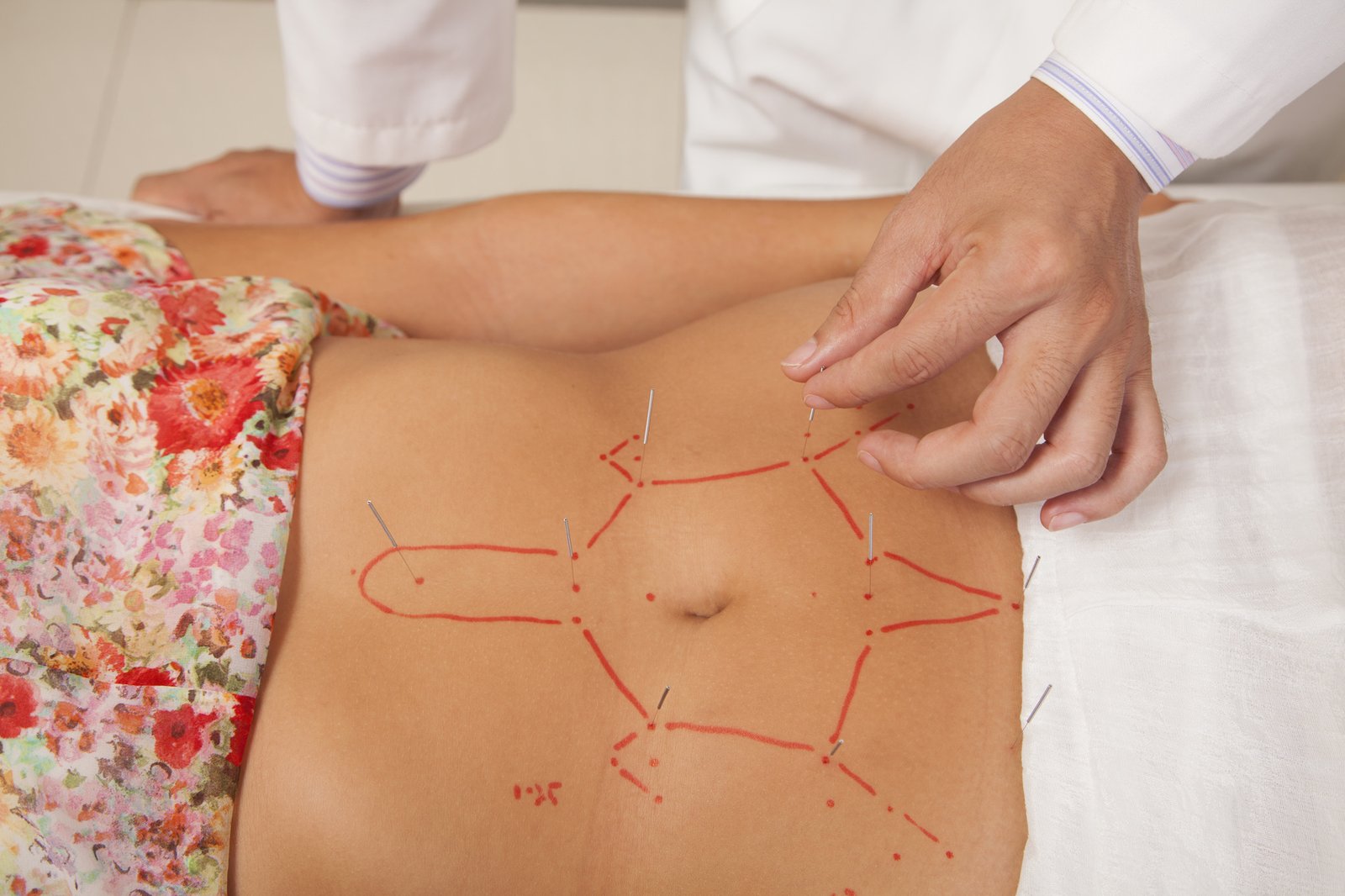
How Moxibustion Works
In TCM theory, cold and deficiency patterns occur when the body's Yang energy is insufficient to warm and move Qi and blood through the meridians. Moxibustion addresses these patterns directly: the slow, penetrating heat of burning moxa enters the meridian pathways, expels cold, and re-establishes free flow of Qi and blood where stagnation or depletion has taken hold. This warms the interior, strengthens Yang, and restores vitality to tissues and organs that have become undernourished or blocked.
Clinical research supports several applications of moxibustion. A landmark randomized controlled trial published in JAMA (Cardini & Weixin, 1998) found moxibustion at acupoint BL67 significantly increased vertex presentation in breech pregnancies compared to controls. Subsequent systematic reviews in the Cochrane Database of Systematic Reviews and Evidence-Based Complementary and Alternative Medicine have confirmed beneficial effects in osteoarthritis, cancer-related fatigue, and ulcerative colitis, lending scientific weight to thousands of years of clinical observation.
Cardini F, Weixin H. Moxibustion for correction of breech presentation: a randomized controlled trial. JAMA. 1998;280(18):1580–1584. doi:10.1001/jama.280.18.1580
Types of Moxibustion We Use
Direct Moxa
Small moxa cones are placed directly on the skin at specific acupoints and ignited. An indirect variation uses a protective medium, such as a fresh slice of ginger or garlic, between the cone and skin to add the herbal properties of that medium while shielding against excessive heat.
Indirect Moxa
A moxa stick, compressed dried mugwort in a cigar-like form, is held a few centimetres above the acupoint and moved in slow circles or a pecking motion. The patient feels a pleasant, radiating warmth without any direct contact. This is the most commonly used form for home-care follow-up when appropriate.
Needle + Moxa
A small ball of moxa is attached to the handle of an inserted acupuncture needle and ignited. Heat travels down the metal shaft and warms the acupoint from within, producing a combined needle-and-heat stimulus effective for deep joint pain, cold-type abdominal conditions, and chronic deficiency patterns.
Conditions Treated with Moxibustion
Moxibustion is best suited to conditions characterized by cold, dampness, or deficiency, patterns that TCM treats with warmth and invigoration rather than clearing or cooling. Common presentations treated at our Fairfax clinic include:
Is Moxibustion Safe?
When administered by a trained and licensed practitioner, moxibustion is a safe, well-tolerated therapy. Patients typically describe the sensation as a deep, spreading warmth, comfortable and relaxing, never painful or burning. Our clinic is properly ventilated to manage the mild smoke produced during treatment, and smokeless moxa is available on request.
Moxibustion is contraindicated in certain situations: it should not be applied over inflamed or infected areas, and it is generally avoided for patients presenting with fever or excess-heat patterns, as adding heat would be counterproductive to treatment. Liou conducts a thorough TCM intake assessment before every session — including tongue and pulse diagnosis — to confirm that moxibustion is appropriate for your specific pattern and constitution, ensuring both safety and maximum therapeutic benefit.
Note for new patients: Moxibustion is often incorporated into your acupuncture session at no additional charge when clinically indicated. Discuss your symptoms and health goals with Pinghe Liou during your initial consultation. She will determine whether moxa is the right addition to your treatment plan.
Experience the Warming Benefits of Moxibustion
Schedule a consultation at our Fairfax, VA clinic. Most major insurance accepted.
Book an Appointment